Faith, finance and giving
Most people give less than they meant to.
Not because they are not generous. Because nobody ever walked them through the mechanics.
Faith, finance and giving
Not because they are not generous. Because nobody ever walked them through the mechanics.
The gap
Most giving happens in December, in cash, out of a checking account, decided in a hurry. Meanwhile the same household is sitting on stock it has held for years and never thought to touch.
Donating that stock instead of selling it first is usually the single largest improvement available to an ordinary donor, and most people have never been told it exists. That is not a knowledge problem anyone should feel bad about. It is a problem of nobody ever running the session.
You are not asking anyone to give more than they intended. You are showing them how to give what they already intended, more efficiently.
What the session covers
No jargon, no product pitch, and no provider recommendations. Just what each tool is, how it works, and when it does not make sense.
What one actually is, how it works, what it costs to run, and the cases where it is the wrong answer.
Why giving stock held longer than a year usually beats selling it and writing a check, and what that difference looks like in practice.
Treated as property rather than currency, which puts it closer to stock than to cash, plus the practical steps most organizations are not set up for.
Concentrating several years of intended giving into a single tax year, and who it helps.
Taking the tax event in the year that suits you and deciding on recipients later, without the December scramble.
Where obligation and voluntary giving sit alongside everything else, rather than being handled separately once a year.
This is financial education drawn from personal experience, not financial, tax, or legal advice. Nothing in the session is a recommendation to buy or sell any security, and no donor advised fund provider is endorsed. Attendees should talk to their own advisors.
See the session
The honest way to judge whether this is right for your community is to watch the whole thing.
Full session on donor advised funds and tax-aware giving.
What happened the first time
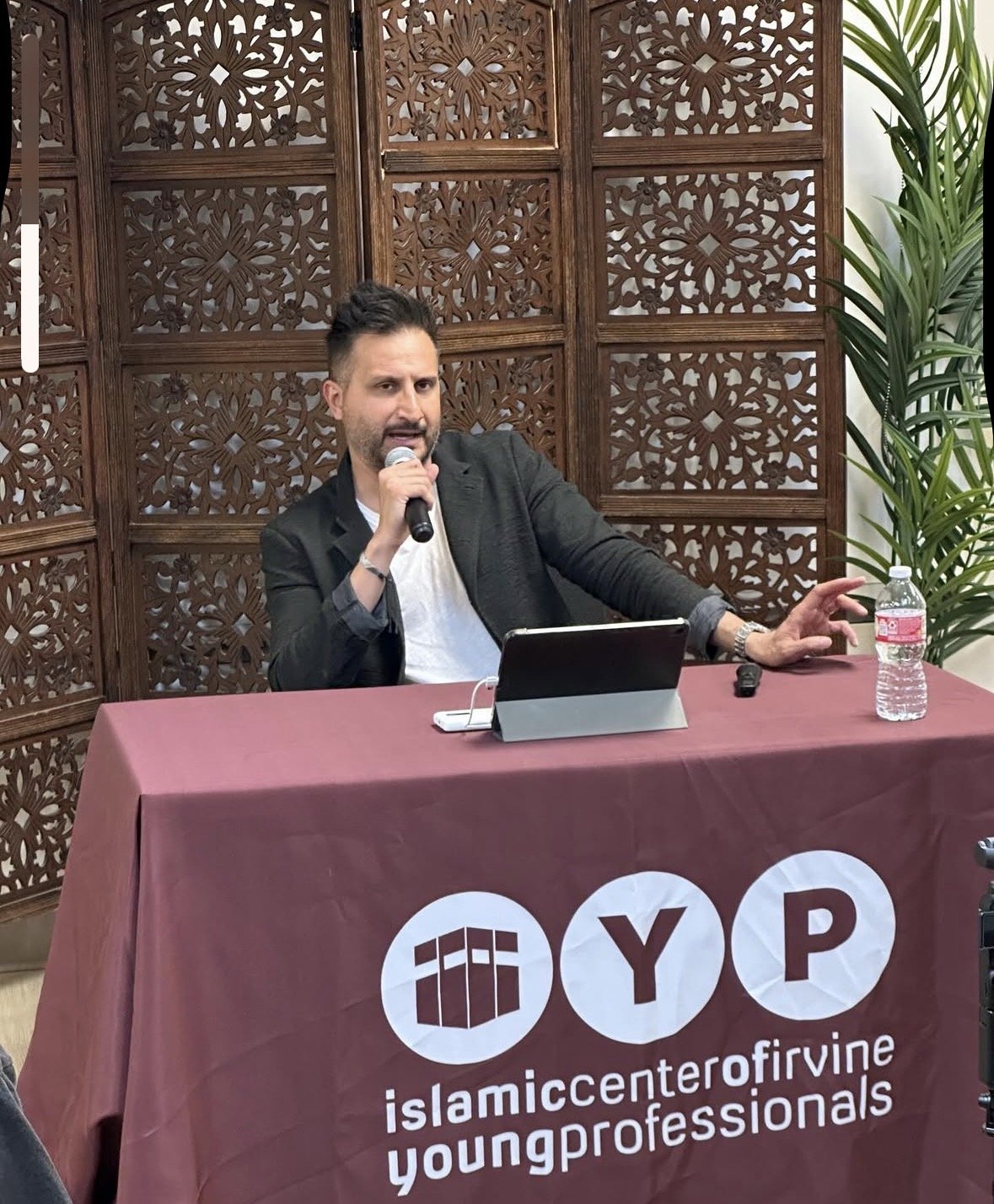
I wrote this program for the Islamic Center of Irvine and delivered it in December 2025. Afterward attendees asked for provider information and referral codes, which is not the usual response to a talk about tax rules.
It generated invitations from other communities, including the Bay Area. In 2026 an organization approached me about bringing it to additional Islamic centers.
I am also developing a companion program with an estate planning attorney, covering wills, trusts, Islamic inheritance considerations, and charitable bequests, for organizations that want the full picture rather than the giving half of it.
Who books it
Formats run from a thirty minute keynote to a two hour workshop, plus board and leadership sessions. If you want the donor side rather than the organizational side, that is a separate session for boards and development staff.
Next step
Tell me the organization, roughly how many people, and whether you want the ninety minute version or something shorter inside an existing program.
No obligation in asking. If your community is not the right fit for this material, I will say so.